Travel Guide
Grape Harvest Season: Turkey’s Most Beautiful Vineyards and Autumn Routes
2026-09-08
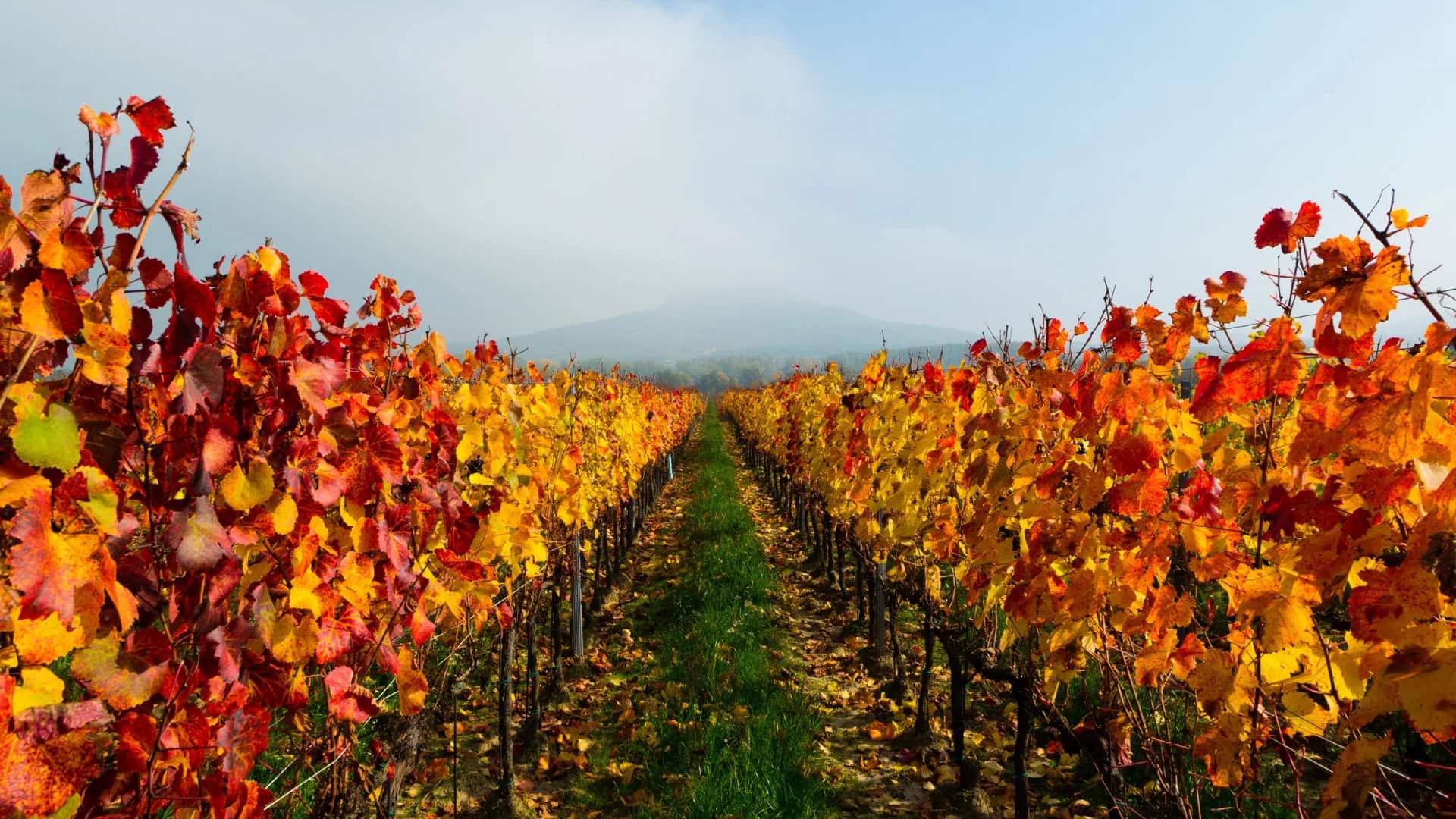
As summer slowly fades, nature changes colour, the mornings turn cooler, and one of the most bountiful times of the year begins in different corners of Turkey: grape harvest season.
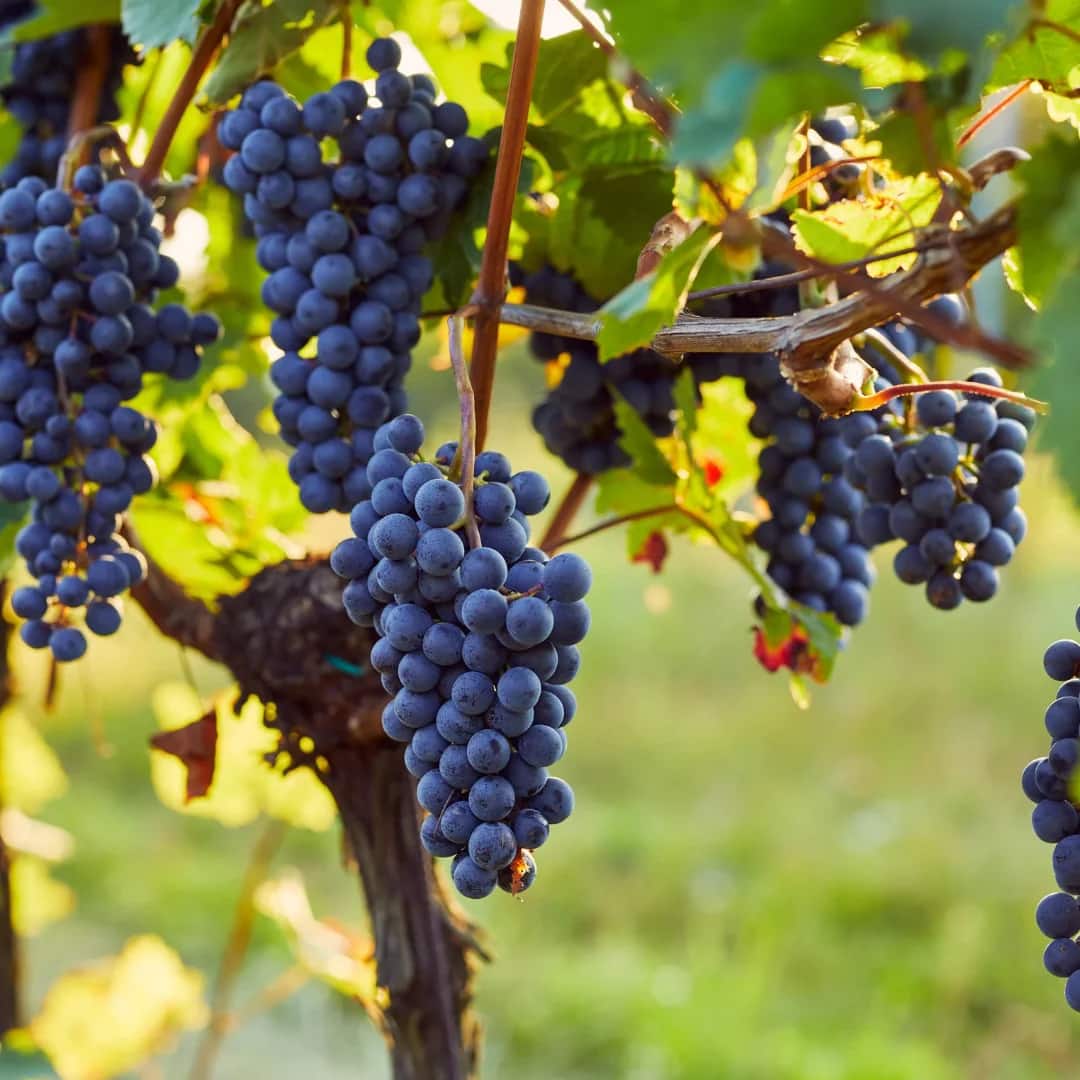
Picking the grapes that have ripened on the vines for months is not just an agricultural harvest; in many parts of Anatolia, it is also part of a culture handed down from generation to generation. With baskets filling up, village roads coming to life and tables laden with seasonal produce, this time of year is also a wonderful opportunity for anyone looking for a different kind of travel experience in autumn.
From the windswept vineyards of Bozcaada to Urla’s roads lined with olive groves, from the village atmosphere of Şirince to the wide-open lands of Thrace and the vineyards among the fairy chimneys of Cappadocia, Turkey offers a wide variety of routes where you can experience the grape harvest.
What’s more, this journey is about much more than vineyards. Ancient cities, village markets, local cuisines, pekmez (grape molasses), raisins, jams, olive oil, autumn walks and the tranquillity of small towns are all part of the trip.
So when does the grape harvest take place, where should you go to see vineyards in Turkey, and which gastronomy routes can you discover in autumn?
What Is the Grape Harvest?
In Turkish, “bağ bozumu” is the traditional name for the harvest season when ripe grapes begin to be picked from the vineyards.
The timing of the harvest can vary depending on the grape variety, the region’s climate and altitude, and the weather conditions of that year. In some parts of Turkey the work begins at the end of summer, while in others it continues into September and October.
That is why you shouldn’t think of the grape harvest as a single date.
In fact, this is exactly what makes it so appealing for travellers. From late August to October, you can see the vineyards at different stages in different regions of Turkey.
As autumn approaches, the changing colours of the vines, the baskets of grapes, the bustle of the harvest in the villages and the local produce turn vineyard routes from a standard sightseeing itinerary into a genuine local experience.
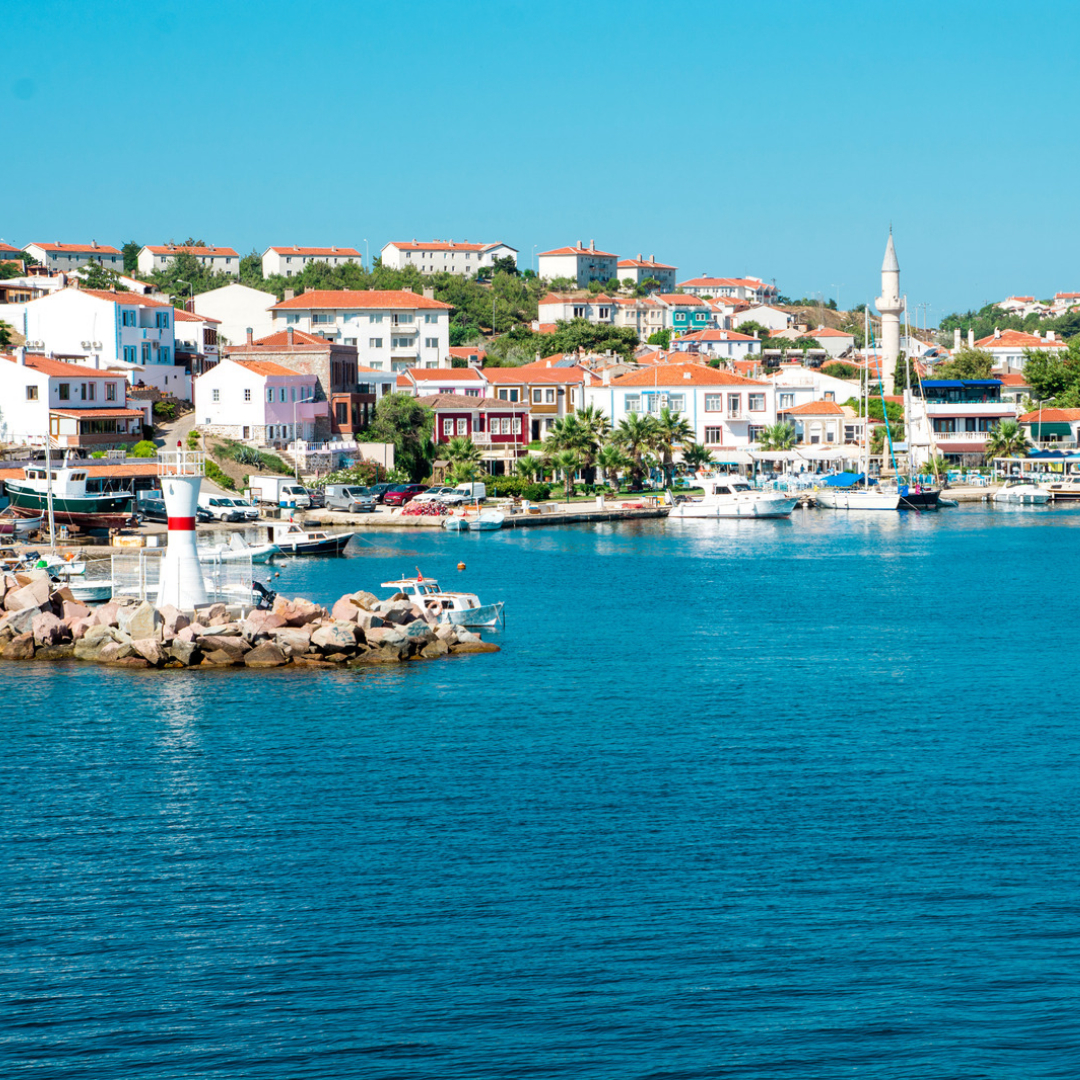
Bozcaada: When September Comes, the Island Moves to a Different Rhythm
On Bozcaada, grapes are not just a crop; they are one of the most important parts of the island’s cultural memory.
The island’s winegrowing history is said to stretch back thousands of years. Local grape varieties such as Çavuş, Vasilaki, Kuntra and Karalahna grow on Bozcaada. The Çavuş grape, enjoyed above all as a table grape, is one of the island’s best-known local products.
When September arrives, the island gradually leaves behind its midsummer crowds, and the harvest rush begins in the vineyards.
What makes Bozcaada so lovely at this time of year isn’t just the vineyards. A day that starts in the cobbled streets in the morning can continue along the country roads between the vineyards and end with a swim near Ayazma or Habbele in the afternoon.
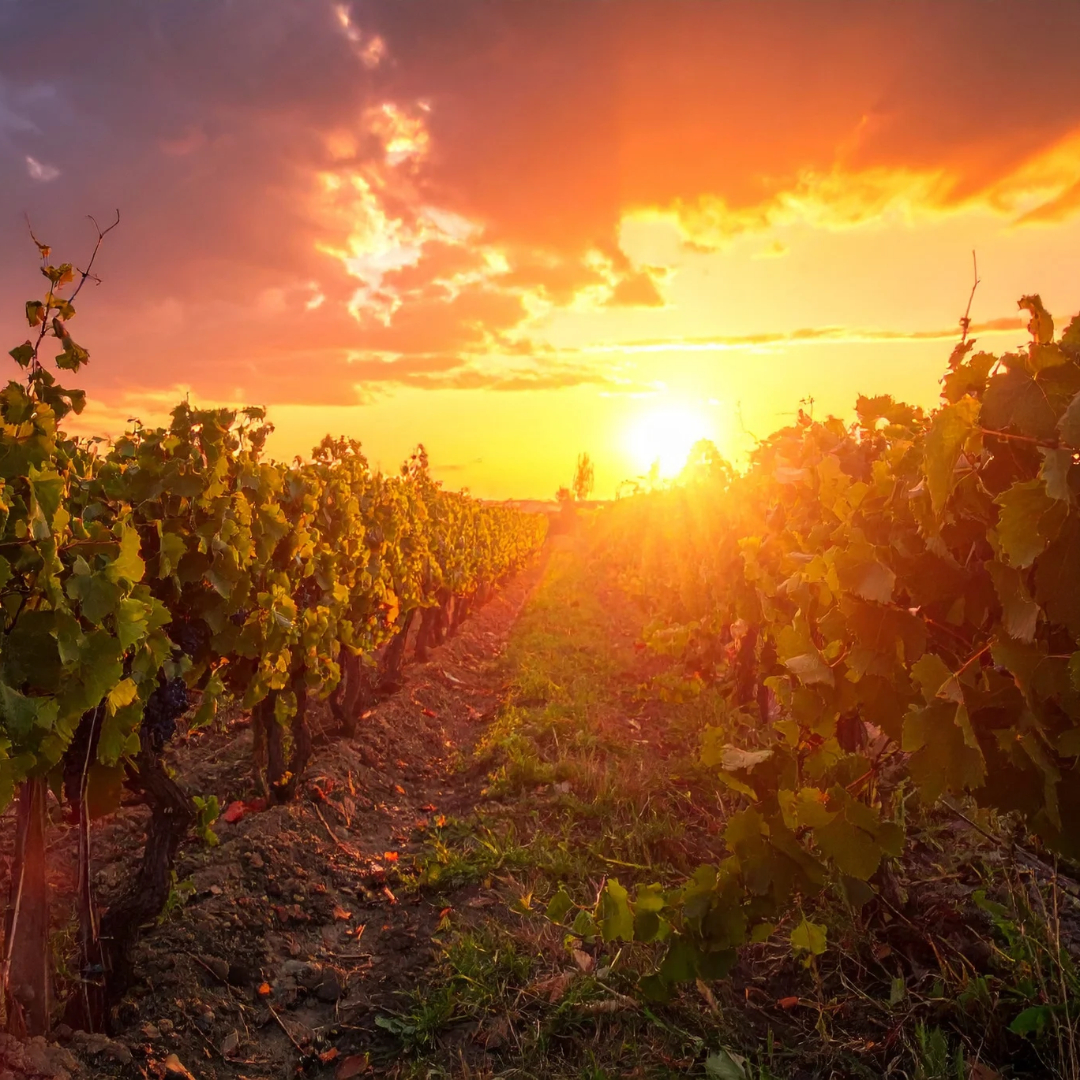
In the early evening, heading to the west of the island to watch the sunset is one of Bozcaada’s most beautiful rituals at the start of autumn.
You’ll also find traces of grapes throughout the island’s cuisine. Alongside fresh grapes, local flavours such as jams, sour grape syrup, olive oil dishes and island herbs round out the gastronomic side of the season.
Bozcaada’s traditional Grape Harvest Festival usually takes place in early September, and symbolic grape-picking events are one of the key parts of the festival culture. If you want to time your trip to coincide with the event, it’s a good idea to check that year’s programme before you go.
Urla: Vineyards, Olive Groves and Aegean Cuisine
Located between İzmir and Çeşme, Urla has in recent years become one of the most remarkable Aegean destinations for gastronomy and rural travel.
In autumn, the atmosphere of the area shifts a little.
On the Urla Peninsula, best known for its sea and coves in summer, the changing colours of the vineyards and olive groves turn the country roads into a sightseeing route in their own right.
Urla’s winegrowing tradition goes back a long way. Alongside local varieties such as Bornova Misketi, Sultaniye, Urla Karası and Foça Karası, various other grape types are grown in the area. The revival of certain local varieties that were once on the verge of disappearing is particularly important for the region’s agricultural heritage.
If you visit Urla during the grape harvest, you shouldn’t limit your trip to the vineyards alone.
Urla Art Street, İskele, the villages, the olive groves and the Ancient City of Klazomenai can easily be added to the same route.
On the gastronomic side, seasonal vegetables, Aegean herbs, olive oil and produce from local growers take centre stage.
Later in autumn, the olive season begins right after the grape harvest, making Urla one of the special places where you can see several farming traditions in a single trip. Visit İzmir also describes autumn as the season when vineyard and olive culture come to the fore together in Urla.
Şirince and Selçuk: An Autumn Route from Vineyards to Ancient Cities
Şirince is beautiful in every season.
But it’s fair to say that autumn suits this small Aegean village especially well.
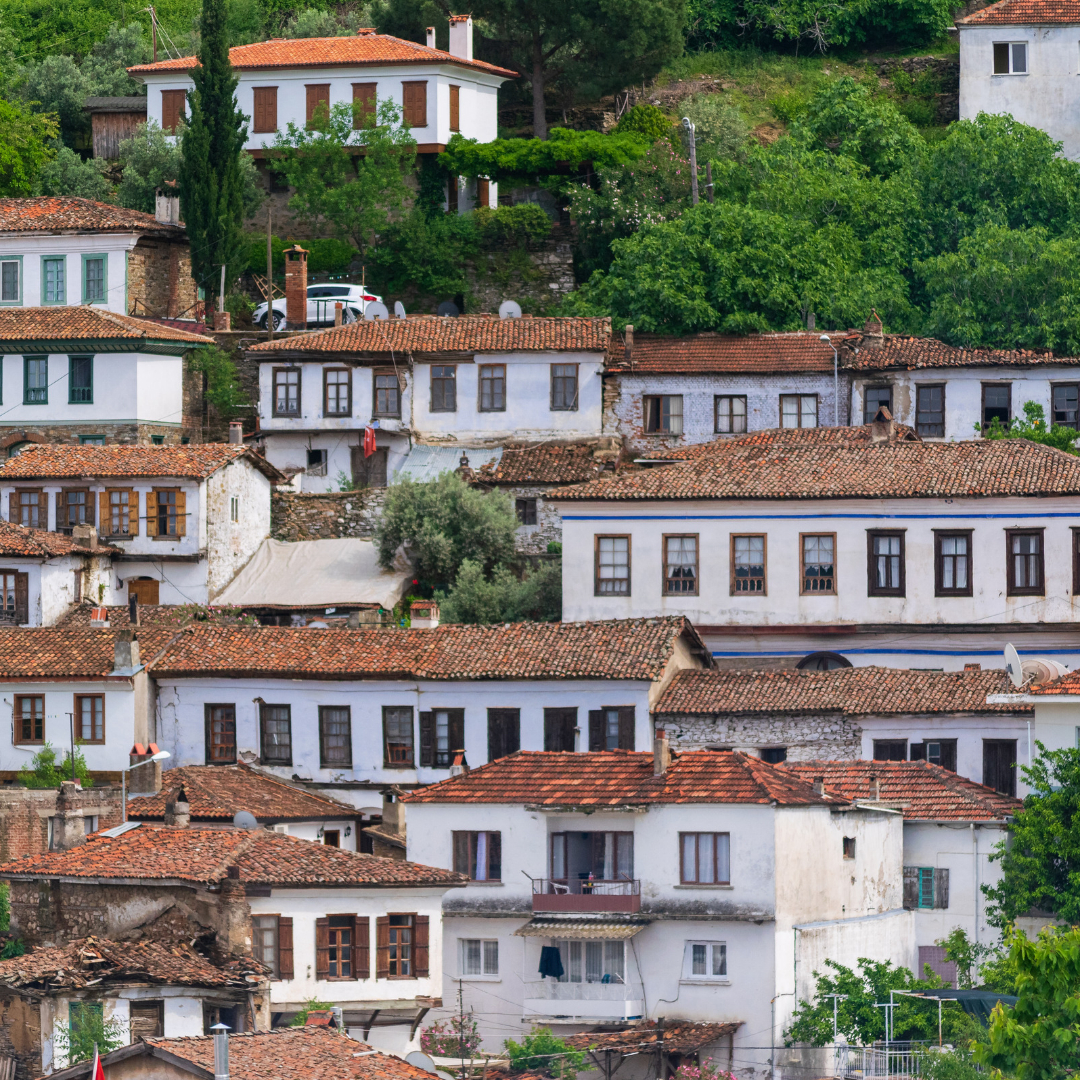
As the season changes, the historic houses nestled in greenery, the stone streets and the surrounding orchards and vineyards take on warmer colours.
In Şirince, harvest time matters not only for production but also for the social life of the village. Within the local farming tradition, the grape and olive harvests have long been part of village life.
When you visit, you’ll come across local jams, sherbets, pekmez, seasonal fruit and village produce.
But what makes Şirince especially appealing is that it can be explored together with its surroundings.
You can wander the streets of Şirince in the morning, then head to Selçuk in the afternoon to explore the Ancient City of Ephesus and the historic sites nearby.
The area is also ideal for hikers. The routes of the İzmir Provincial Directorate of Culture and Tourism include the Belevi–Şirince and Şirince–Selçuk–Ephesus–Pamucak trails, and April to November is recommended for walking them.
This makes it possible to combine a grape harvest weekend with history, hiking and Aegean cuisine.
Thrace: One of the Most Beautiful Autumn Road Trips
For those who want to get away from Istanbul for a few days, Thrace transforms into a completely different landscape in autumn.
Long roads, farmland, vineyards, forests and small towns create a wonderful road trip atmosphere, especially from late September through October.
The vineyard routes in Thrace are mainly concentrated around Kırklareli, Tekirdağ, Şarköy and Gallipoli. Although the harvest season here varies depending on the grape variety and conditions, it can extend into autumn.
What makes Thrace special is the ever-changing scenery along the road.
On one side, vineyards and farmland stretch out, and a little further on you can reach the forested slopes of the Strandja Mountains.
The İğneada Floodplain Forests or Kıyıköy can be added to a Kırklareli route. Around Tekirdağ and Şarköy, views where vineyards sit side by side with the Marmara coast steal the show.
If you continue towards Gallipoli, you can add historical and coastal stops to your trip as well.
That is why, rather than driving to a single spot and back, it can be far more enjoyable to plan a Thracian vineyard route as a two- or three-day autumn road trip.
Cappadocia: The Grape Harvest Among the Fairy Chimneys
Although the Aegean and Thrace are usually the first places that come to mind when people think of the grape harvest, one of Anatolia’s most impressive grape routes is in Cappadocia.
The volcanic soil and the region’s climate have supported grape growing here for many years. Foremost among the varieties associated with Cappadocia is the Emir grape.
Autumn is also one of the best times of year in Cappadocia.
As the intense summer heat eases, walking in the valleys becomes more comfortable. And as the vines begin turning shades of yellow and red, they add another colour to the region’s already extraordinary landscape.
You can plan a day that starts around Göreme in the morning and continues towards Uçhisar, Avanos and Ürgüp, devoting part of the day to the valleys and the rest to the villages and local gastronomy.
Traditional events centred on the grape harvest are also held around Ürgüp in September. The programmes may include grape picking, local cultural performances and a variety of activities. Since the dates can change from year to year, be sure to check the current event schedule before you travel.
In Cappadocian cuisine, you’ll also come across grapes used in many different ways.
Aside, a pekmez-based dessert, and köftür, made from grape molasses, are among the region’s traditional flavours. Raisins also hold an important place among the local products.
In this respect, Cappadocia is a route where you can combine the grape harvest theme not only with stunning scenery but also with Anatolian cuisine.
On a Grape Harvest Route, Visiting the Vineyards Isn’t Enough
One of the best things about a grape harvest trip is turning the journey into a tour of local gastronomy.
Island jams and Çavuş grapes on Bozcaada, olive oil and Aegean herbs in Urla, village produce and pekmez in Şirince, local cheeses and regional cuisine in Thrace, and traditional pekmez-based treats in Cappadocia can become the culinary stops on your journey.
Autumn is also a great time to stop by local markets.
Instead of a classic weekend at a big holiday resort, browsing producers’ stalls, getting to know seasonal produce and discovering the region’s culinary culture make the trip a far more local experience.
Which Grape Harvest Route Should You Choose?
You can choose your route based on what you want from your holiday:
- Island atmosphere, sea and vineyards: Bozcaada,
- Aegean cuisine, olive groves and country roads: Urla,
- Village life, history and hiking: Şirince–Selçuk,
- A multi-day autumn road trip by car: Thrace,
- Nature, history and Anatolian gastronomy all in one: Cappadocia stands out.
In fact, all these routes have one thing in common: they put not just the sights but the season at the heart of the trip.
When Is the Best Time for the Grape Harvest?
There is no single grape harvest date across Turkey.
The grape variety, temperatures, altitude and growing region all affect the timing of the harvest. As a result, the harvest starts in August in some regions, while in others it can extend into September and October.
If you’re planning to attend a particular grape harvest festival or local event, it’s best to check that year’s programme before finalising your trip.
If you simply want to soak up the autumn atmosphere, September and October are a very enjoyable time in many parts of Turkey for vineyard roads, food tours and rural routes.
What to Consider When Choosing Accommodation in Autumn
Most vineyard routes lie a little way from city centres, in areas spread across different villages.
That is why, when choosing where to stay, it’s important to consider not only the property’s features but also its location in relation to your itinerary.
In a small place like Bozcaada, staying in the island’s centre lets you reach many spots easily. In larger areas such as Urla and Thrace, travelling by car can make the route much more comfortable.
In Cappadocia, you can plan day trips from different accommodation areas such as Göreme, Uçhisar, Ürgüp and the surrounding towns.
In Şirince, you can stay right in the heart of the village atmosphere or consider options around Selçuk.
On Butikotels.com, by browsing hotels and other accommodation options in the region you’re travelling to, you can choose a property that suits your grape harvest route and itinerary.
This Autumn, Follow the Harvest
If an autumn holiday only brings forests and yellowing leaves to mind, it’s time to change your route a little.
Following the grape baskets along the island roads of Bozcaada, passing through the vineyards and olive groves of Urla, strolling the village streets of Şirince, setting off on a long autumn road trip through Thrace or watching the vines change colour among the fairy chimneys of Cappadocia all offer a completely different travel experience.
Because the grape harvest is not just a time of harvest.
It is a season when the land, the time of year, the cuisine and long-standing local traditions come together in the same story.
This autumn, why not turn your route towards the roads that wind through the vineyards?
Frequently Asked Questions About the Grape Harvest
What does “bağ bozumu” mean?
“Bağ bozumu” is the traditional Turkish name for the harvest season that begins with picking the ripe grapes in the vineyards. It is an agricultural and cultural tradition that has been kept alive for centuries in different regions of Turkey.
In which month does the grape harvest take place?
Although it varies by region and grape variety, the harvest season generally runs from late summer into autumn. Exact dates can change depending on each year’s weather conditions.
Where should you go for the grape harvest in Turkey?
Bozcaada, Urla, Şirince–Selçuk, Thrace and Cappadocia are among the main routes where you can experience both vineyard culture and the autumn atmosphere.
When is the Bozcaada Grape Harvest?
Grape harvest events on Bozcaada traditionally take place in September. Since event dates can vary from year to year, you should check the current calendar before you travel.
Are grape harvest routes suitable for children?
Yes. Thanks to the vineyard views, villages, outdoor routes, local markets and nearby historic sites, they can easily become a family-friendly autumn trip. If any of the private sites you plan to visit have conditions for admitting children, it’s worth checking them in advance.
How many days should a grape harvest holiday last?
For more compact routes such as Bozcaada or Şirince, 2–3 days may be enough. In areas with many places to see nearby, such as Urla, Thrace or Cappadocia, a 3–5 day itinerary will be more relaxed.